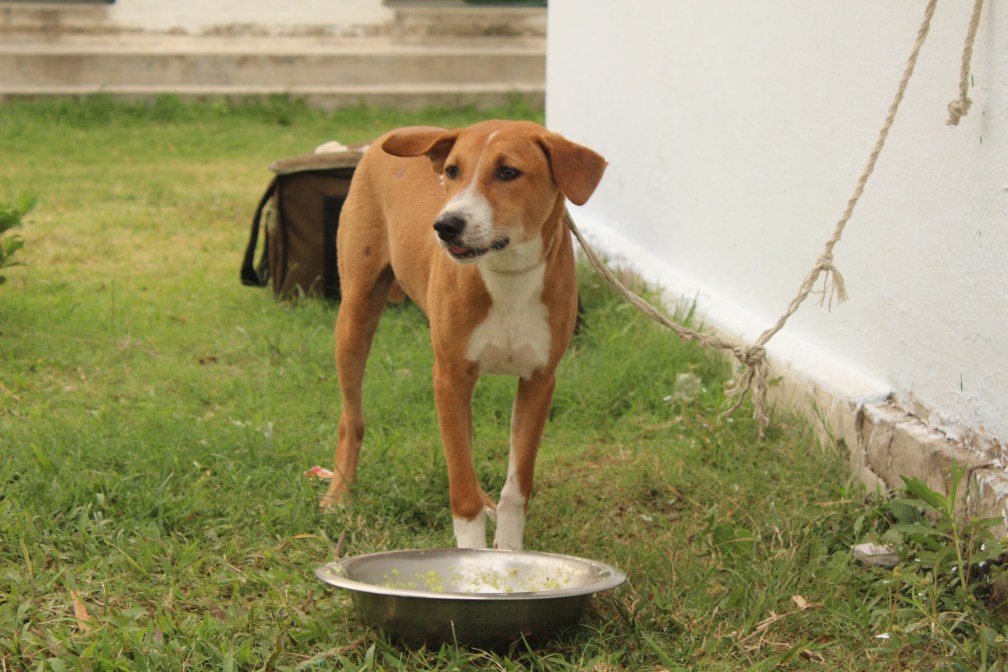
Sometime in May 2017, a litter of puppies was born just outside the gates of the West Bengal Police Training Academy, in Barrackpore , where the Viceroy’s weekend retreat had once been. The litter had little idea of the trials of life. They snuggled up to their mother as she fed them. Their glazed slits soon developed into eyes and their thin little bodies began to stumble and lurch away from the mother dog. But they were born on the mean streets and were no match for human cruelty. As they smelt the broken footpaths and scrabbled among the plastic wrappers they began to die. Two were crushed by buses, one died of worms. Their mother had been quite surprised by their birth and unsurprised by their deaths. She was tired, her teats were meagre, the milk was insufficient and food was unavailable. She struggled to lift her starving body, let alone keep track of her children.
One of her puppies began to stray inside the black gates of the Training Academy. There were smells here that promised more than days of empty grubbing. A kind policeman gave her biscuits, another stroked her ears, till one day a miracle happened and a meeting was held about her in a senior officer’s office room. She would be an experiment. She would receive training on how to be a police dog, a stray, a pariah, an Indie receiving the full attention of the Canine squad. She became Asha.
As time passed Asha became dextrous at her job. If the other pups- a mixture of German Shepherds, Labradors and Rottweilers took their lessons excitedly, or with boredom or with little enthusiasm, Asha took up the challenge. She sniffed better than the others. She did obedience as well as them. When the ‘don’t take’ test- placing a bowl of food within reach and waiting forever for the Take command came, Asha held out the longest, hardest, toughest. She was the star of the batch. In hurdles she sprang nimbly over the wires and fences and swung through the hoops of fire. She tasted the heady intoxication of publicity and praise. A newspaper covered her and she became modestly famous.
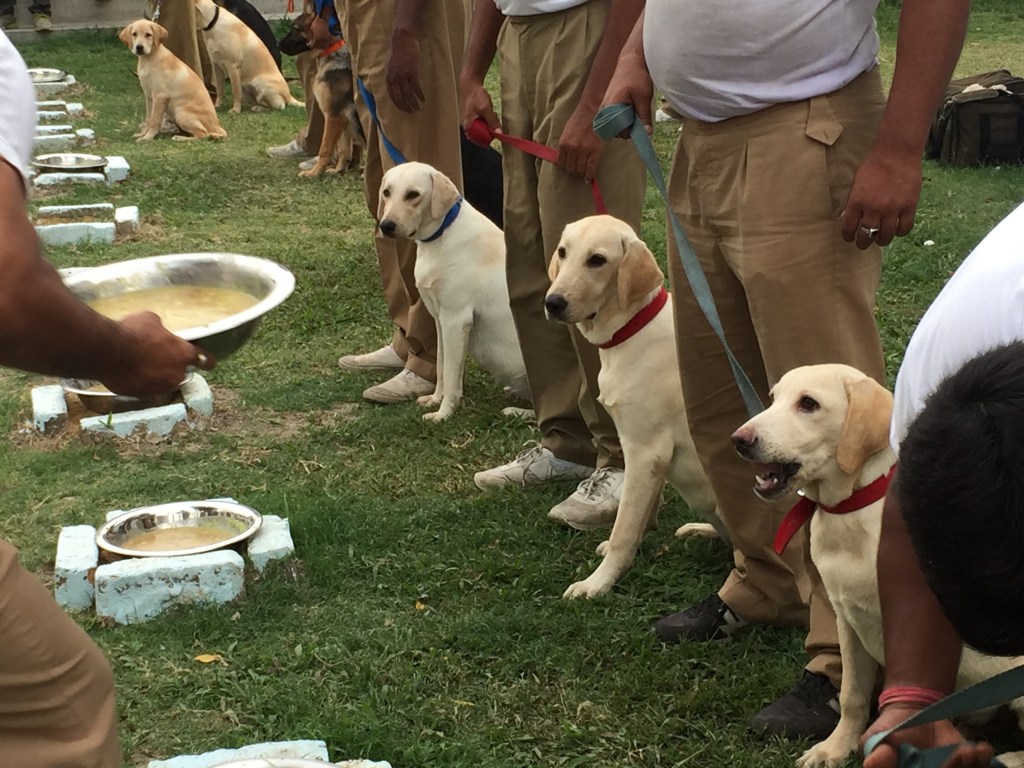
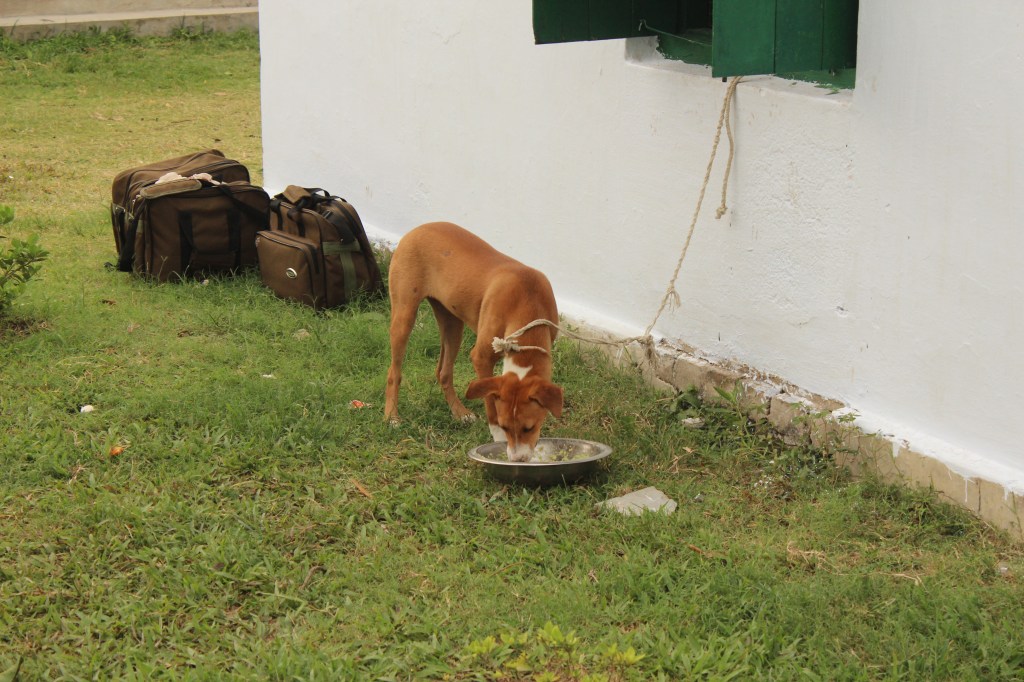
But at mealtimes class barriers had to be maintained. The other dogs gulped down their food in a row, but Asha was placed near the wall. She was scared of the breed dogs. Humbly, with the centuries-old slinking manner of the street dog, she had her meat and rice in a corner, her brown eyes sliding away from them. And after her training period was over and the other dogs roared off majestically to their posts all across the districts of Bengal, it was clear that Asha, the Indie, was not quite wanted for V.I.P duty. A V.I.P had demanded a proper Labrador, not a stray, for his duty. And so, she stayed on at Barrackpore, fed, exercised, trained but unwanted.
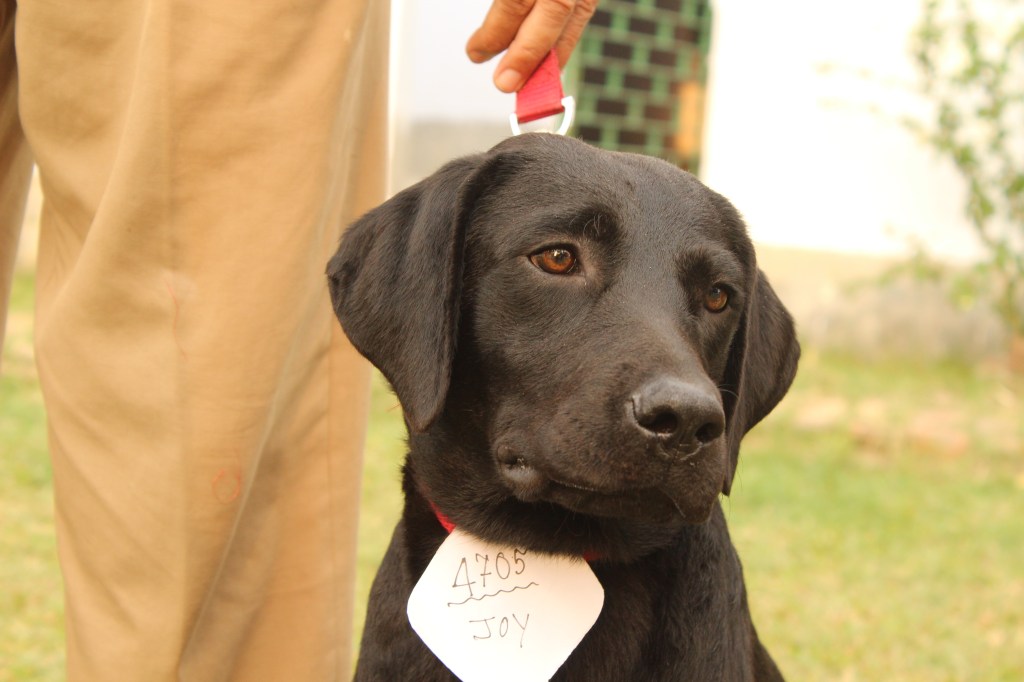
Police dogs have difficult lives. They have to survive worrying terrain, heat, rain, railway stations, airports, raids. They have to love their trainers and their work but miss out on the joys of chasing birds, running with balls, living with families, being cuddled by Dog Mom and Dog Dad. They are brave little soldiers. And one day, when they are old, they have to retire. Sometimes their handlers take them in, sometimes they are put up for adoption.
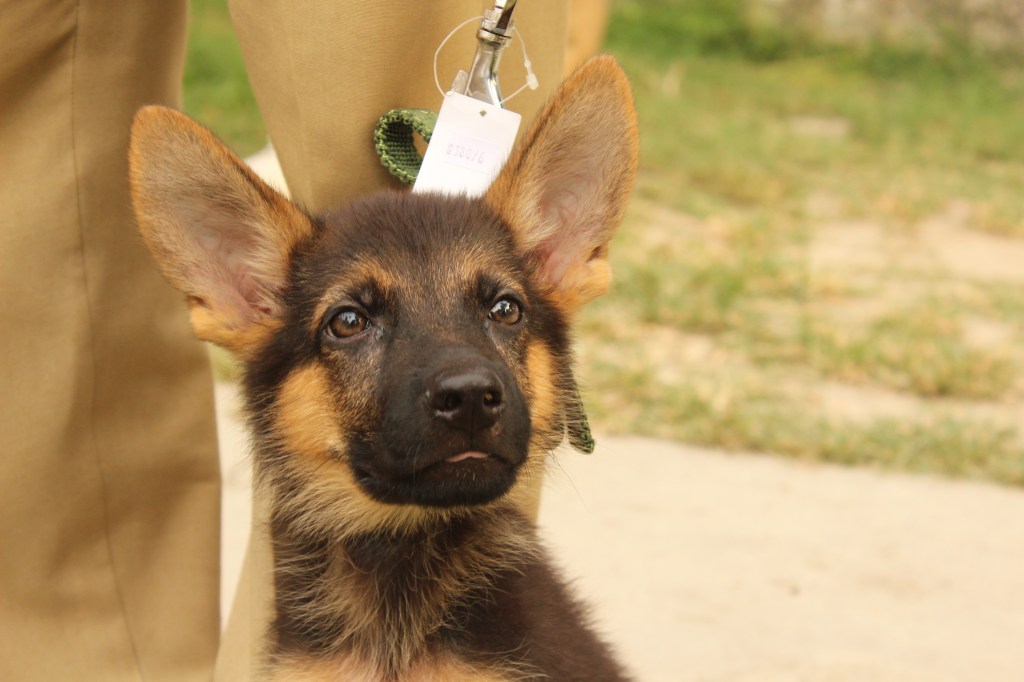
Asha lives in her kennel. She is walked, fed but she was never in active combat. Her eyes tell the story of deep hurt, longing, sadness. Ay, but to die and go we know not where, to waste days in cold obstruction and to rot. She is almost ten. Lately she has been depressive and revengeful. She bit two other dogs because her trainer, her man, was re-assigned to another. To have that Pygmalion moment, and then to be forever doomed to a wretched existence. Comfort, yes, security, yes, but work. Never.
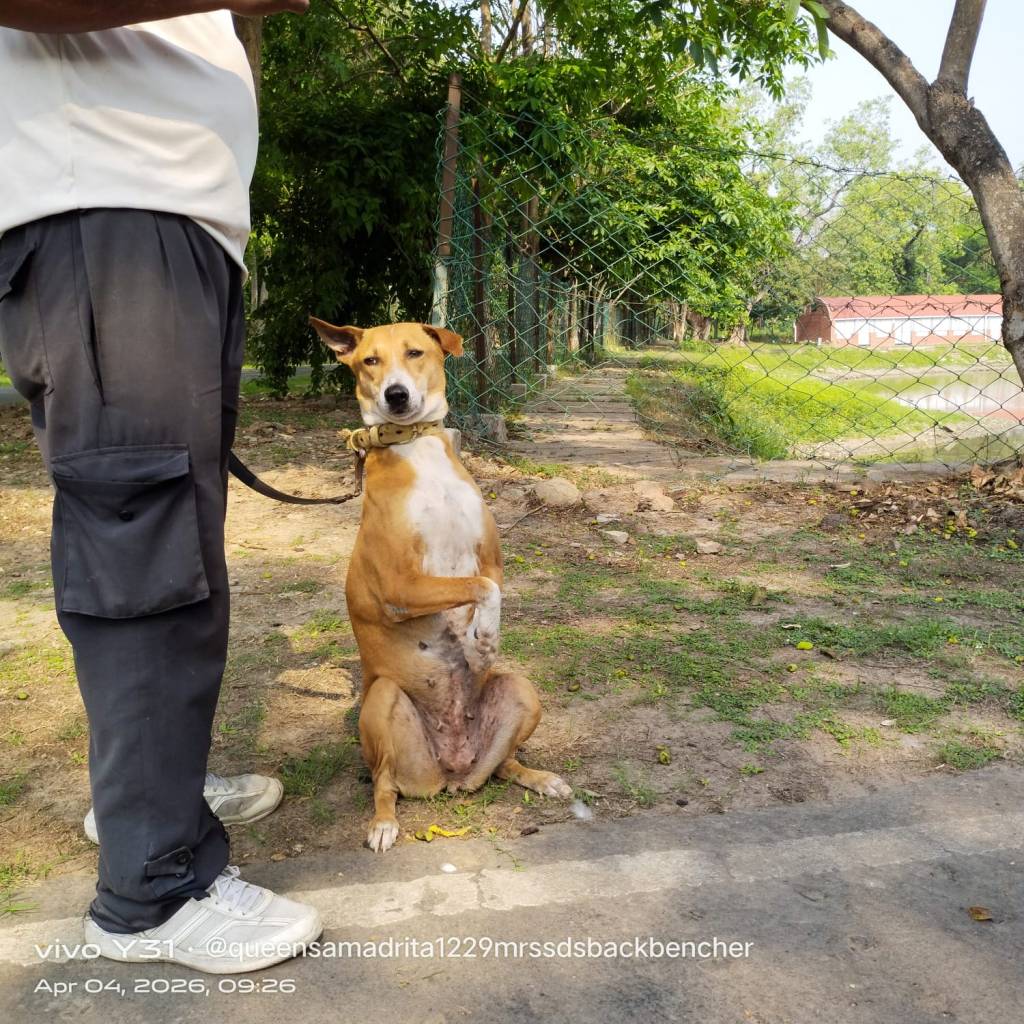
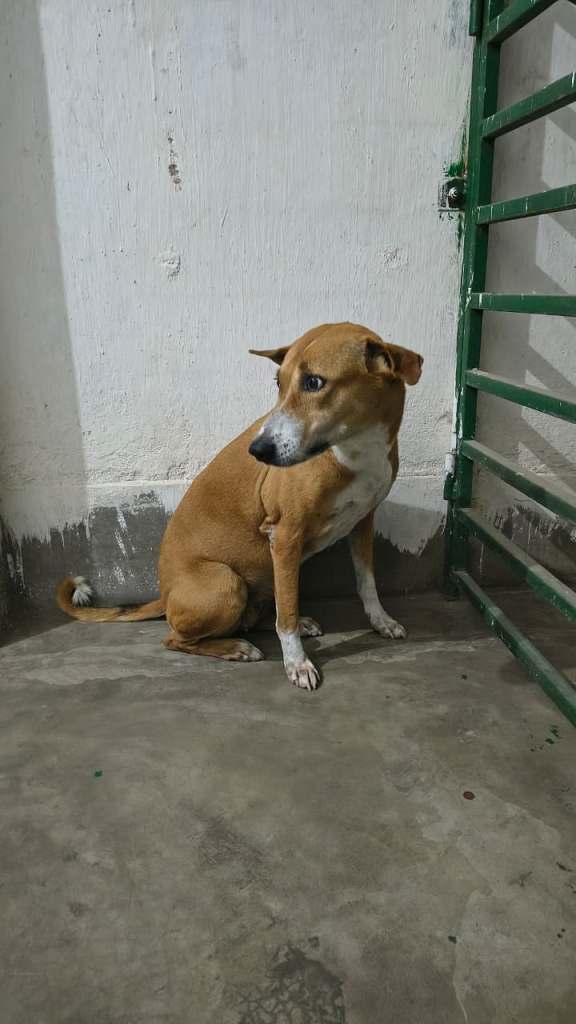
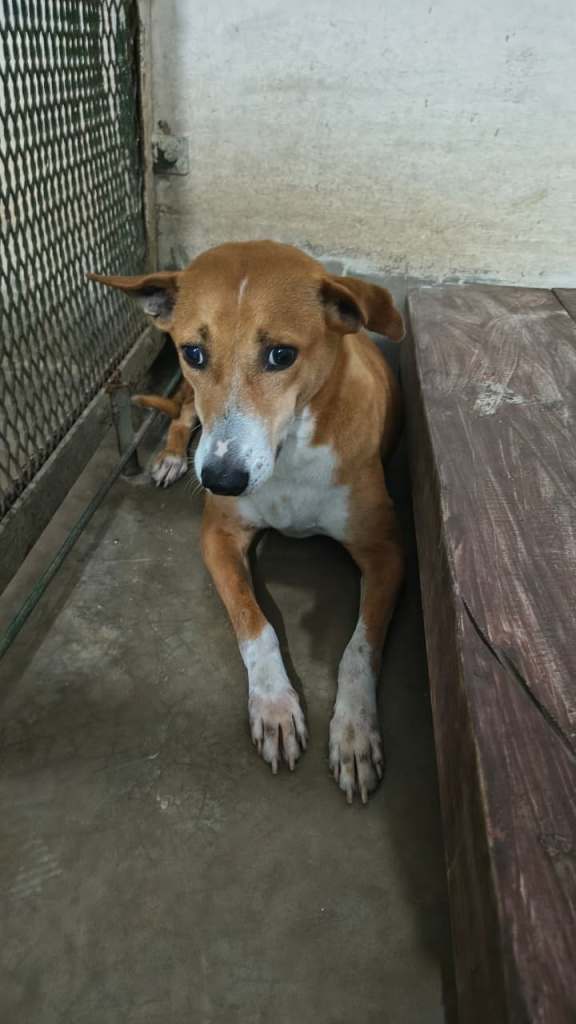
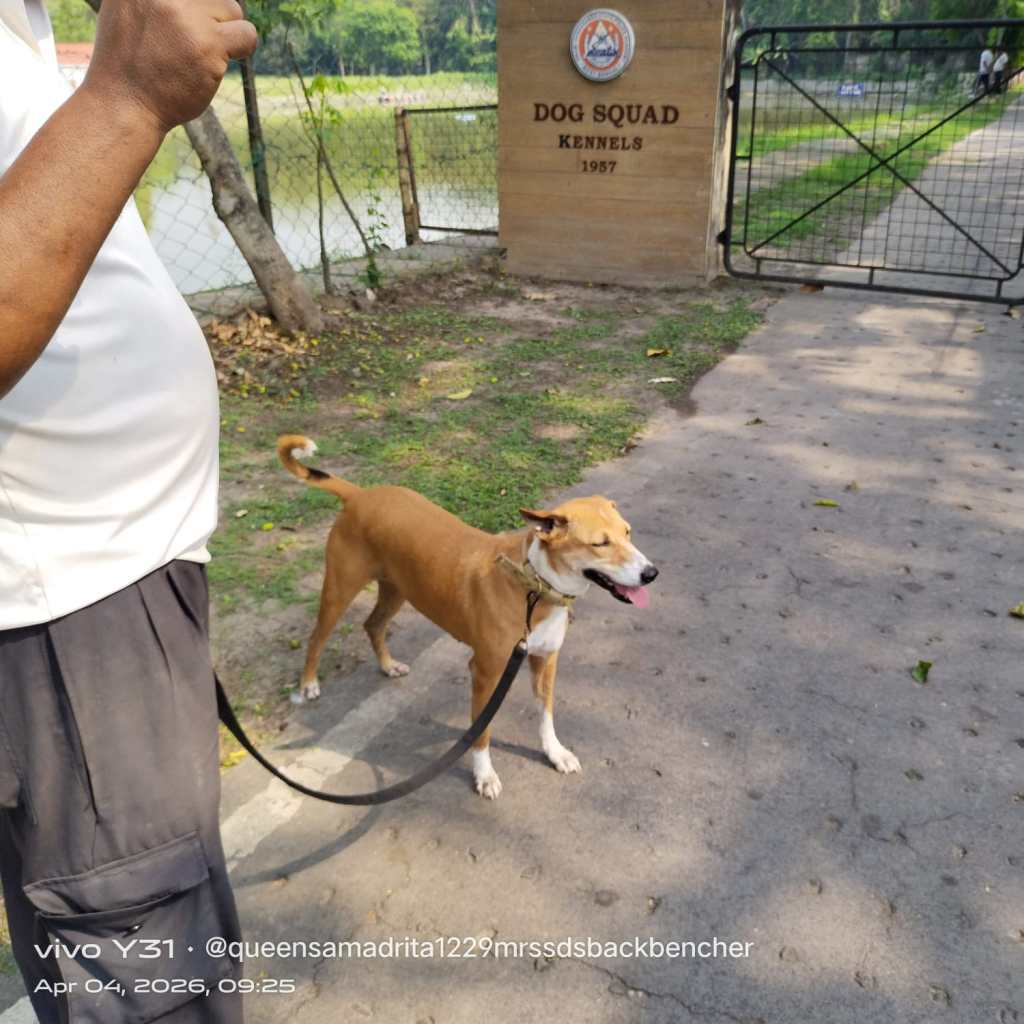
As I watched Asha grow old in bits and pieces, I began to wonder about Police Dog thoughts. What if they could, like Virginia Woolf’s dog Flush, write an autobiography? What if, like the dog in the movie Good Boy, they could sense horror, foreboding, death! It was the start of the pandemic and a story formed in my mind. What if Asha could solve a crime?
And so it was that Asha changed, mutated, dissolved and grew into a dog who, like Everyman, became an EveryDog. Everydog, go thy way, and I will be your follower. She melted into all the dogs I had, we had, all of us who love all creatures great and small, but especially dogs. She took on the personalities of all my dogs who had died and in their deaths had taken pieces of me with them. She became the protagonist of my detective novel. I called it “Death, by Fire”, partly because the phrase was from The Tempest and like Prospero’s dream, all writing can weave new worlds, and of course wholly because I had seen Police dogs up close and had a great tenderness for them.

Good luck to all the Ashas of this world. With eyes shining, tails wagging, ears flopping and a riot of sniffs, may you always have the chance to serve your workplace, do your duty and have a warm word now and then, and perhaps a biscuit afterwards.
And, well, thank you!
All photographs courtesy of the Dog Squad at Barrackpore’s Swami Vivekananda State Police Training Academy.
Some have been taken by the author when she first visited the dog sqad while writing her book on Barrackpore Park and found Asha, like Eliza Doolittle, trying so hard to belong!


 Crafting Words